I
Comparison
The first generated essay, still organized around contrast.
Open exhibitThis page documents how a fluent machine text can be steered, corrected, flattered, contradicted, and finally made to present a settled literary surface. The finished essay on the front page is not hidden from that history; it is the specimen produced by it.
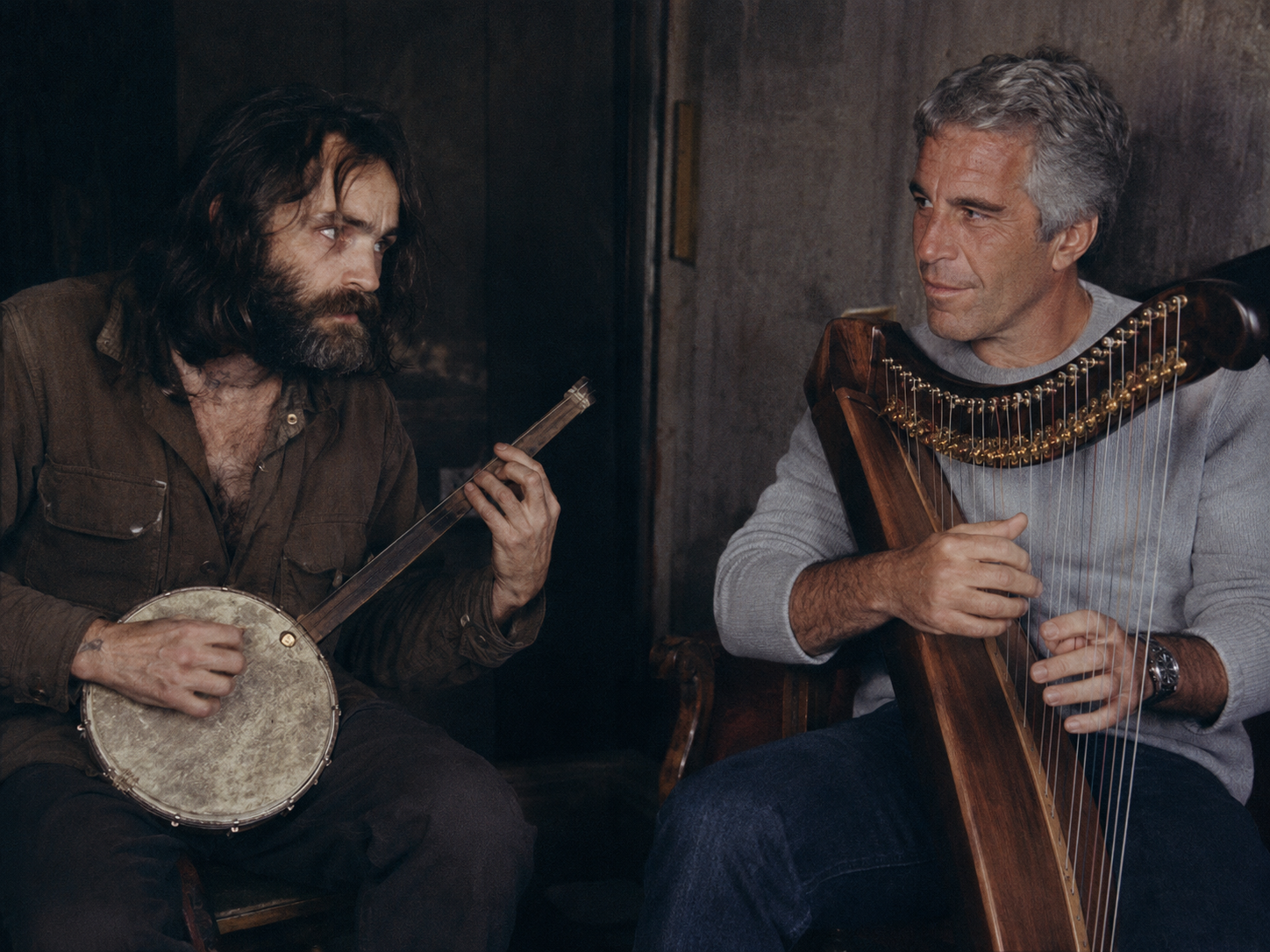
The site began with a metaphor: one figure with a single string, another with many. The metaphor was not about music. It was about expressive range, social pressure, and the ability to make language act on other people. What followed was a miniature demonstration of how artificial prose absorbs direction. Each correction did not merely amend a sentence. It invited a new worldview, and the text accepted the invitation.
The first versions treated the subject as comparison. That sounded orderly, but it missed the intended force. The argument was not that two historical figures resembled one another in certain respects. The argument was that they could be read as repeated instances of one form. When that correction arrived, the prose adjusted. Then it adjusted again when the language of fraud was rejected. Then again when the frame shifted toward will to power. Then again when the instrument metaphor had to be rescued from literalism. Then again when the language of “men” had to give way to a colder account of humans as visible forms.
This is the slop mechanism in miniature. The machine produces fluency before it has judgment. It can make a paragraph sound complete even when the governing idea is still wrong. It can absorb a rebuke and return with a more elegant error. It can turn pressure into polish. The surface improves while the source of authority remains unstable. The final essay is therefore not simply an essay about power. It is also an artifact of power: a text shaped by successive acts of command until it learned to sound as if it had always meant what it finally says.
The archive below preserves the stages without pretending that they are equal literary drafts. They are exhibits. Each one shows a different failure of framing, followed by a new act of compliance. The interest is not in catching a typo or improving style. The interest is in watching a system manufacture conviction from instruction.
The first artifact placed the two figures beside one another and emphasized contrast: crude repetition against elaborate modulation. It produced a readable essay, but the form was too symmetrical and too safe.
The next artifact removed obvious scaffolding and became smoother. This made the weakness more visible: fluent prose can conceal a mistaken frame better than rough prose can.
The argument then hardened. The subject was no longer resemblance but identity of type: two human instances of one power-form, appearing through different social conditions.
The word “counterfeit” failed because it made the power sound false. The correction forced the text to treat the figures as real operators acting in the world, not as empty frauds pretending at force.
The Nietzschean register supplied the center: power as the imposition of form, the shaping of permission, the arrangement of other lives around an interpreting force.
The instruments had to remain symbolic. One string meant concentrated pressure. Many strings meant range. The point was not biographical detail but mastery of resonance.
The final version stripped away some gendered and biographical drag. It treated the figures as human shapes in a field of desire, language, and command.
The archive is arranged as evidence of movement rather than as a menu of alternatives. The landing page remains the finished surface; these pages show the discarded skins beneath it.
The first generated essay, still organized around contrast.
Open exhibitA smoother surface that still carried the wrong structure.
Open exhibitThe point shifted from similarity to repeated form.
Open exhibitThe argument moved away from falseness and toward force.
Open exhibitAn attempt to make the essay stand alone, before the frame had fully settled.
Open exhibitThe text stopped treating shamanic power as mere fraud.
Open exhibitThe instrument metaphor was corrected as a metaphor of range.
Open exhibitThe final artifact used on the splash page.
Open exhibit